Architecture, Design and the Helsinki Waterfront
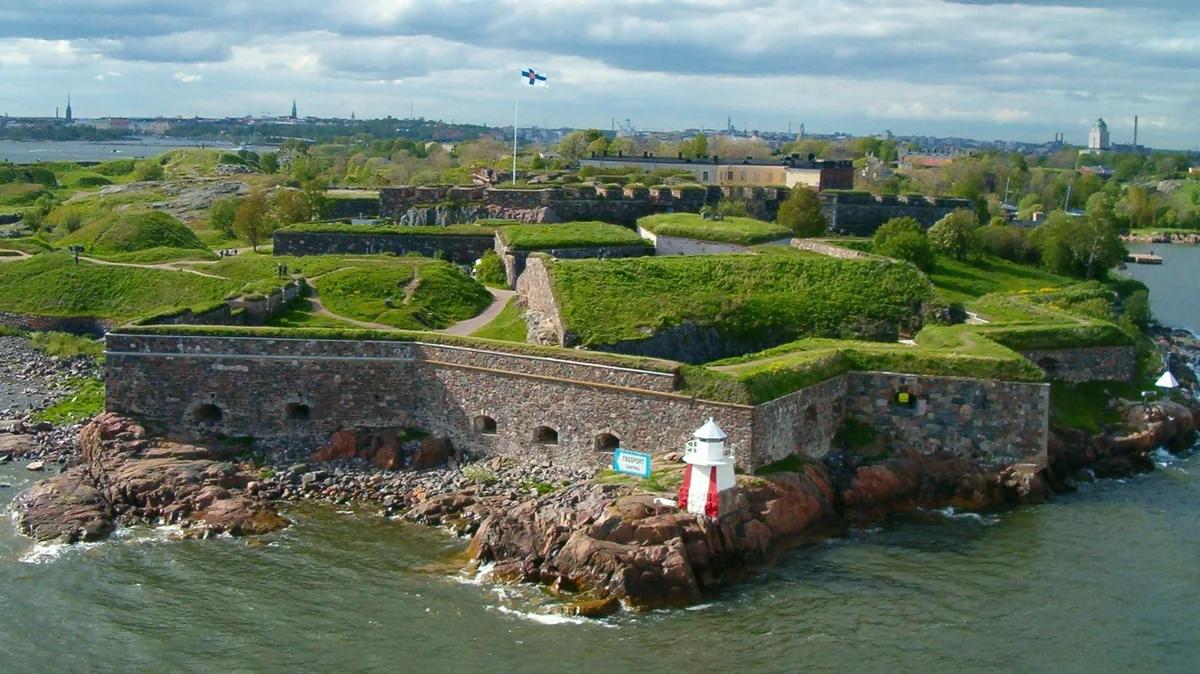
Helsinki is a city whose architecture tells a compressed but coherent story of national identity formation, from the neoclassical Senate Square designed by Carl Ludwig Engel in the 1820s through the National Romantic movement of Eliel Saarinen and Lars Sonck at the turn of the 20th century to the modernist masterworks of Alvar Aalto in the postwar decades. The Finlandia Hall, completed by Aalto in 1971 beside Töölönlahti bay, remains one of the most significant pieces of modernist civic architecture in Scandinavia. The Design District, a concentrated area of over 200 shops, studios, museums, and galleries in the Punavuori and Kaartinkaupunki neighbourhoods, presents Finnish design from the classic mid-century brands through to emerging studios in a walkable cluster that rewards several hours of exploration. The Design Museum and the Museum of Finnish Architecture, both in the district, document the traditions that underpin the contemporary scene. The city's relationship with water is defining: the South Harbour market square, open-air fish stalls, and the ferry connections to the fortress island of Suomenlinna and the smaller recreational islands give Helsinki a maritime character that becomes fully apparent only from the water. The Suomenlinna sea fortress, a UNESCO World Heritage Site spread across eight islands, is simultaneously an inhabited community of residents and one of the most important preserved military heritage complexes in northern Europe, accessible year-round by public ferry and offering walks, museums, and the peculiar experience of a functioning island village within the boundaries of a national capital. The Temppeliaukio Church, carved directly into a granite outcrop in the Töölö neighbourhood and completed in 1969, is the most architecturally singular religious building in Finland and one of the most visited in Scandinavia. The Oodi central library, opened in 2018 opposite the Parliament building and winner of multiple international architecture awards, is the most publicly used building in Finland by visitor count and represents the country's ongoing investment in public information and community infrastructure at a level that few other nations match. The Kallio neighbourhood, historically working-class and now the most concentrated area of independent bars, cafés, and music venues in the city, is the most reliable destination for Helsinki nightlife. The Ateneum Art Museum, the national gallery of Finland, holds the definitive collection of Finnish art from the 18th century to 1960 including the major works of Akseli Gallen-Kallela, whose paintings of scenes from the Kalevala national epic are the most recognisable images in Finnish cultural history.