
Things To Do in Catalan Bay Gibraltar

Discover events, experiences, and everything the city has on offer in Catalan Bay. Browse the full event calendar or read the guide below.

Things To Do in Catalan Bay

Discover events, experiences, and everything the city has on offer in Catalan Bay. Browse the full event calendar or read the guide below.

Village on the Eastern Shore

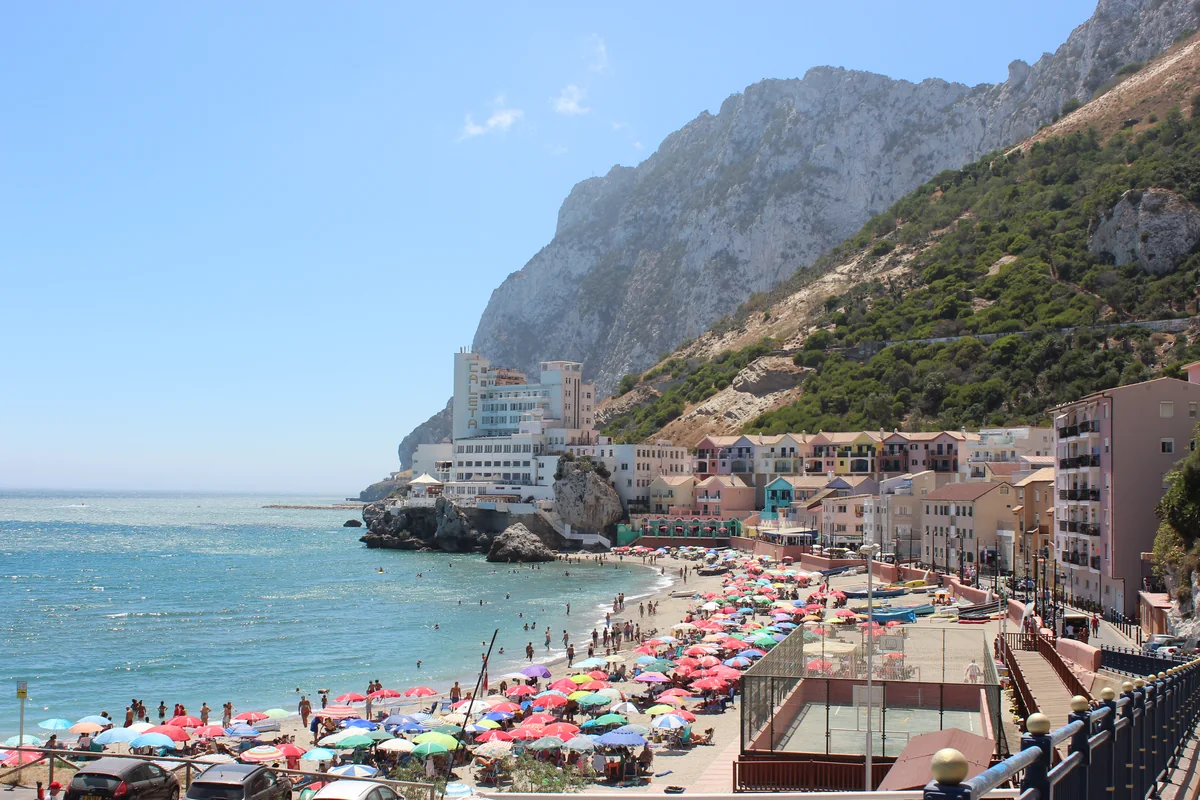
Catalan Bay is a small fishing village on the eastern side of Gibraltar, tucked between the Rock's cliffs and the Mediterranean. Its character is distinct from the town on the western side — quieter, more residential, with a strong local identity rooted in the Genoese fishing community that settled here centuries ago. The village has maintained a sense of genuine neighbourhood life that the more commercially active western town sometimes lacks, and the small beach at its center is used daily by locals rather than being primarily a visitor destination.

Beach and Setting

The beach at Catalan Bay is one of the few sandy beaches on Gibraltar, sitting directly below the sheer face of the Rock with the open Mediterranean ahead. The combination of cliff, sea, and village gives it a setting unlike any other beach on this coast. The calm water on the eastern side of the Rock is generally sheltered from the prevailing westerly winds that can make the town side uncomfortable, and the beach is used for swimming throughout the warm months by residents who treat it as their own neighbourhood amenity.

Seafood and Local Eating

Catalan Bay's fishing heritage is still visible in the seafood restaurants that face the beach and the small boats that work the nearby waters. The village has a tradition of Genoese-influenced cooking that is different from both Spanish and British food, and eating grilled fish in one of the beachfront restaurants with the Rock behind and the sea ahead is one of the most straightforwardly pleasant things available in Gibraltar. The village is a short drive or bus ride from the town center and makes a worthwhile half-afternoon excursion.

The East Side, Sandy Bay and Gibraltar's Natural Coastline

Catalan Bay sits on the east side of the Rock of Gibraltar, separated from the main town by the Rock itself and accessible by road through the Dudley Ward Tunnel or around the southern tip at Europa Point. The village, with its brightly painted fishermen's houses along the seafront, was settled by Genoese immigrants in the 18th century and retains a distinct community identity separate from the main Gibraltar settlement on the west. The shingle beach at Catalan Bay, the most popular bathing beach on Gibraltar's east coast, provides calmer conditions than the exposed Atlantic beaches further south. Sandy Bay, a smaller beach immediately south of Catalan Bay accessible on foot, is less visited and provides a quieter bathing environment within the eastern coastline. The Mediterranean Steps, a walking trail ascending the eastern face of the Rock through Gibraltar's Nature Reserve, begins south of Catalan Bay and provides the most dramatic route to the upper Rock, traversing cliff edges and Mediterranean scrubland in a route that is physically demanding but rewards with views across the Strait of Gibraltar to the Rif Mountains of Morocco.

The Rock's Eastern Face, Wildlife and the Nature Reserve

The eastern face of the Rock of Gibraltar, rising steeply from the sea to 426 metres, is the most dramatic natural feature in the territory and visible from the beach at Catalan Bay in its full vertical extent. The upper section of the eastern cliff is occupied by the Sand Slopes — a dune formation of imported sand that funnelled rain into the Rock's water catchment system, constructed in the early 20th century and since revegetated but still visible as a pale scar in the cliff face. The Gibraltar Nature Reserve, covering over half the territory and managed by the Gibraltar Ornithological and Natural History Society, supports Mediterranean flora including wild olive, lentisc, and Gibraltar candytuft alongside the Barbary macaques whose presence on the upper Rock is the most widely known fact about Gibraltar internationally. The migration bottleneck at the Strait of Gibraltar, where birds of prey, storks, and other species crossing between Europe and Africa concentrate in spring and autumn, makes the upper Rock one of the prime raptor-watching sites in southern Europe during the migration seasons.

Europa Point, the Southern Tip and Gibraltar's Strategic Position

Europa Point, the southernmost tip of Gibraltar and the point at which the Mediterranean Sea and the Atlantic Ocean meet, is marked by the Trinity Lighthouse built in 1841 and the Ibrahim-al-Ibrahim Mosque, completed in 1997 and the largest mosque on the Iberian Peninsula, which together give the promontory a symbolic juxtaposition of Western and Islamic heritage. On clear days, the Rif Mountains of Morocco are visible just 14 kilometres across the Strait, a proximity that explains Gibraltar's entire existence as a fortified territorial possession and gives Europa Point a strategic resonance that no amount of tourist development fully domesticates. The Shrine of Our Lady of Europa, a small 15th-century chapel at the point, is one of the oldest places of Catholic worship in Gibraltar and a site of active devotion for the local community. The Sikorski Memorial, commemorating the Polish general killed when his plane crashed into the sea on take-off from Gibraltar in 1943, and the Commonwealth war graves in the area reflect the role of the territory as a military garrison in two world wars.

More Cities in Gibraltar
Ready to find events in Catalan Bay?

Browse concerts, club nights, festivals, cultural events, and more. Book directly with the organizer.

Running an event in Catalan Bay? Create a free listing
Browse Events in Catalan Bay