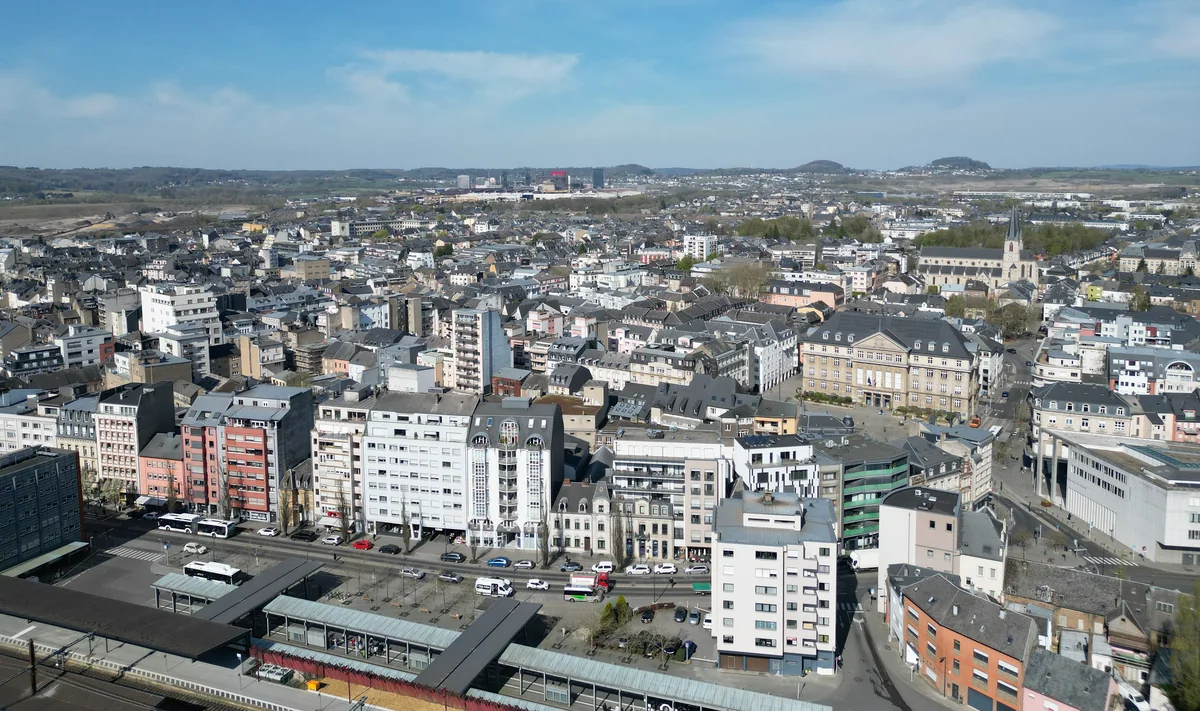
Steel Heritage, the Mining Past and Esch's Industrial Identity
Esch-sur-Alzette, Luxembourg's second city, was built by and for the steel and iron ore industries that dominated the southern Luxembourg Minette region from the mid-19th century to the 1970s. The landscape around Esch is marked by the slag heaps, former mine shafts, and industrial infrastructure of a steel economy whose contraction since 1975 has required a sustained process of economic and physical transformation that the city is still undertaking. The Fond-de-Gras industrial heritage site, accessible from Pétange by a historic steam railway that operates on Sundays in summer, preserves mine buildings, ore processing facilities, and a working narrow-gauge industrial railway in a site that documents the lived reality of the mining industry at its operational peak. The National Mining Museum at Rumelange, housed in the former Rumelange mine and offering underground tours in the actual mine galleries, provides the most visceral experience of what iron ore extraction involved in the Minette region and the conditions in which the predominantly immigrant workforce of Italian, Polish, and Portuguese miners lived and worked throughout the first half of the 20th century.