Things To Do in Valletta Malta

Discover events, experiences, and everything the city has on offer in Valletta. Browse the full event calendar or read the guide below.

Things To Do in Valletta

Discover events, experiences, and everything the city has on offer in Valletta. Browse the full event calendar or read the guide below.

Baroque Capital

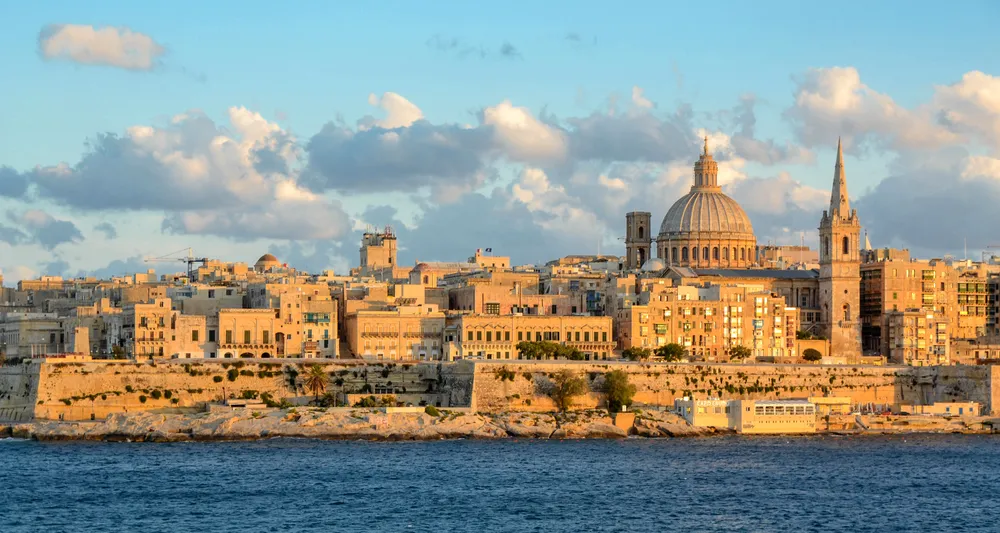
Valletta is one of the smallest capital cities in the world by area — about 0.8 square kilometres — and among the most architecturally dense. The entire city was built as a single planned project by the Knights of St John after the Great Siege of 1565, and the Baroque architecture that emerged over the following two centuries gives it a coherence unusual in any city and extraordinary in one of this age. The fortifications that ring the peninsula on three sides remain in near-perfect condition, and the Grand Harbour they protect is one of the great maritime views of the Mediterranean.

Cultural Capital and Arts

Valletta was the European Capital of Culture in 2018, and the investment that accompanied that designation has left a lasting mark on the city's cultural infrastructure. The Valletta Design Cluster, the new MUŻA national art museum in the old Auberge d'Italie, and a program of open-air performances in the city's squares have given Valletta a cultural life disproportionate to its population. The annual Notte Bianca festival, held each October, sees the city's palaces and institutions open late into the night for a single evening of concentrated cultural activity.

History and the Knights

The history of the Knights Hospitaller — a military and religious order that ruled Malta for over two centuries before Napoleon expelled them in 1798 — runs through every street in Valletta. The Grandmaster's Palace, the Co-Cathedral of St John with its lavish interior, and the auberges that housed the different national langues of the order are the most visible survivals. The National Museum of Archaeology holds finds from Malta's extraordinary prehistory — the Ggantija temples and the Hal Saflieni Hypogeum predate Stonehenge and the Egyptian pyramids — giving the island a cultural timeline of remarkable depth.

Food and the Maltese Table

Maltese food reflects the island's position at the intersection of European and North African influences, with Arabic, Sicilian, and British culinary traces all present in the local cuisine. Ftira — the Maltese bread ring filled with tuna, capers, and tomatoes — is the most recognisable street food. Rabbit braised in red wine, pastizzi (flaky pastry filled with ricotta or mushy peas), and the fish caught daily from the surrounding sea all feature on menus in the old town's restaurants. The café culture along Republic Street and the streets of Strait Street — once Valletta's notorious entertainment district — is increasingly lively.

Baroque Architecture, the Grand Harbour and Malta's Layered History

Valletta, one of the smallest national capitals in the world by area, contains a concentration of 16th and 17th-century architecture that led UNESCO to designate the entire city as a World Heritage Site. Built by the Knights of St John following the Great Siege of 1565 on a limestone peninsula between the Grand Harbour and Marsamxett Harbour, the city was planned from its foundation as a single coherent urban project on a grid of streets whose vistas were designed to channel sea breezes through the city. The Grand Master's Palace and its armoury, the Co-Cathedral of St John with its extraordinary painted vault by Mattia Preti and the two Caravaggio paintings in the Oratory of St John, and the Upper Barrakka Gardens with their saluting battery and views across the Grand Harbour to the Three Cities, form a heritage circuit of exceptional density in a city only 600 metres wide. The Grand Harbour itself, one of the finest natural harbours in the Mediterranean and the setting for some of the most significant naval engagements of the 16th century and the Second World War, can be seen at its fullest extent from a harbour cruise that takes in the fortifications, the dockyard creeks, and the Three Cities of Birgu, Senglea, and Cospicua from the water. The MUZA National Community Art Museum, opened in 2018 in the former Auberge d'Italie, provides the most comprehensive overview of Maltese art and decorative heritage in the country. The Phoenicia Hotel outside the main gate and the Casa Rocca Piccola, a 16th-century noble residence still inhabited and open for guided tours, represent the two registers of Valletta's built heritage: the grand institutional and the intimate domestic. The Merchant Street and Republic Street pedestrianised axes, lined with 18th-century townhouses converted into cafés, bookshops, and restaurants, function as the social spine of the city from morning coffee through to late-evening dining. The Malta Philharmonic Orchestra performs at the Manoel Theatre, a 1731 baroque opera house that is one of the oldest working theatres in Europe, in a program that sustains a genuine concert and opera life in a capital of 6,000 residents. The Three Cities ferry from the Valletta waterfront, crossing the Grand Harbour to Birgu in seven minutes, provides access to the most atmospheric and least visited of the historic settlements surrounding the harbour, where maritime workshops, baroque churches, and the Inquisitor's Palace — the only surviving inquisitor's residence in the world — occupy streets that see a fraction of the visitors who pass through Valletta.

More Cities in Malta
Ready to find events in Valletta?

Browse concerts, club nights, festivals, cultural events, and more. Book directly with the organizer.

Running an event in Valletta? Create a free listing
Browse Events in Valletta