Yas Island, Formula 1 and Abu Dhabi's Entertainment Economy
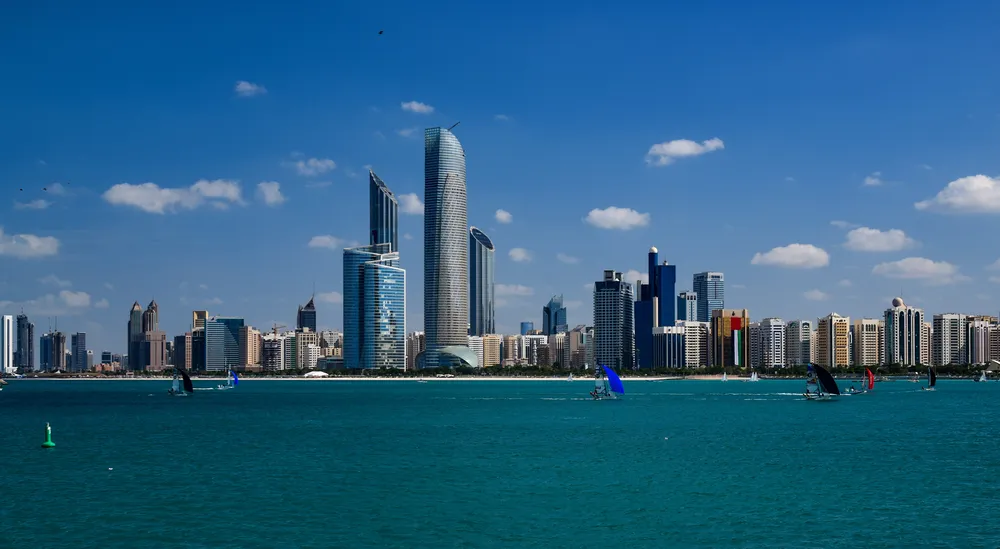
Yas Island, developed from 2009 as a dedicated entertainment and leisure destination north of Abu Dhabi, concentrates a range of facilities whose combined scale makes it one of the largest purpose-built leisure developments in the world. The Yas Marina Circuit, home to the Abu Dhabi Grand Prix - the final race of the Formula 1 season since 2009 - wraps around the Yas Marina and can be driven on Track Days outside the race weekend in a setting that allows visitors to experience the circuit from the same perspective as the drivers. Ferrari World Abu Dhabi, the world's largest indoor theme park and housing the Formula Rossa - the fastest rollercoaster in the world at 240 km/h - and Yas Waterworld and Warner Bros. World adjacent to it, create a theme park cluster that positions Yas Island as a family leisure destination of regional significance. The Yas Mall, the second-largest shopping center in Abu Dhabi, and the network of hotels including the W Abu Dhabi - whose bridge structure spans the Formula 1 circuit - complete an infrastructure that makes the island self-contained for multiple days. The Sir Bani Yas Island wildlife reserve, two hours south by road and ferry, protects one of the largest free-roaming wildlife populations in the Arabian Gulf including Arabian oryx, cheetahs, and giraffes. The Heritage Village on the breakwater, a reconstructed traditional Emirati settlement demonstrating fishing, pearl diving, and Bedouin domestic life, provides a compact introduction to the pre-oil culture whose transformation into one of the wealthiest states in the world within a single generation is the defining story of the emirate. The Abu Dhabi Corniche, an 8-kilometre waterfront promenade with a public beach, cycling lanes, and views of the Abu Dhabi skyline, functions as the city's primary public outdoor space and is most active in the cooler months from October to April when outdoor life becomes comfortable again. The Al Ain oasis city, 160 kilometres inland and a UNESCO World Heritage Site for its falaj irrigation system that has sustained agriculture in a desert environment for 3,000 years, provides the most direct access to Emirati cultural heritage outside Abu Dhabi city itself.