The Atlantic Forest, Tijuca and Rio's Natural Setting
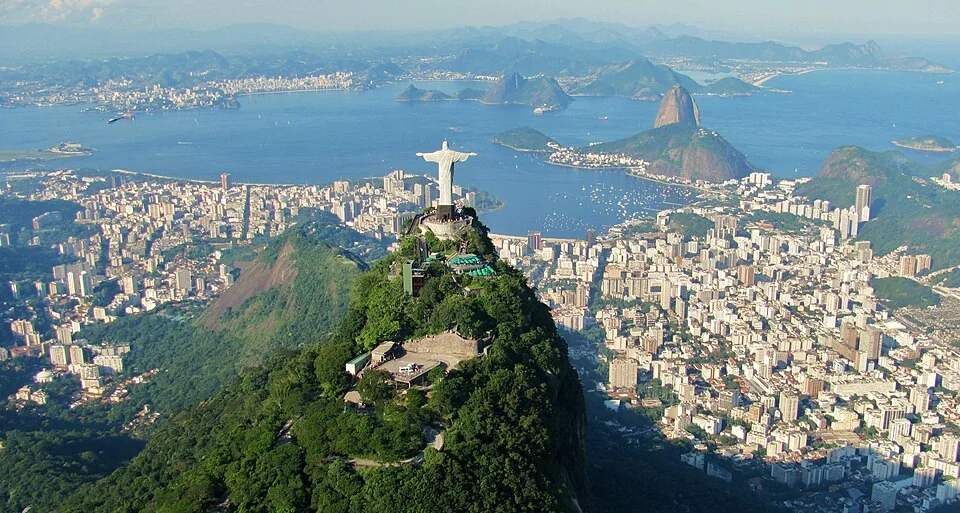
Rio de Janeiro is the only major city in the world with a significant portion of Atlantic Forest - one of the most biodiverse biomes on earth and one of the most threatened - within its urban boundaries. The Tijuca National Park, 32 square kilometres of reforested Atlantic Forest covering the mountains above the city, is the largest urban forest in the world and contains the summit of Pico da Tijuca at 1,021 metres, accessible by trail from the visitor center. The forest was almost entirely cleared for coffee plantations in the 19th century and was replanted under imperial order from 1861 onwards in one of the first large-scale ecological restoration projects in history. The Jardim Botânico, established by the Portuguese crown in 1808 and containing over 6,500 plant species including the Imperial Palm avenue planted in 1809, is the most significant botanical garden in South America and borders the Lagoa Rodrigo de Freitas, the urban lagoon whose cycling path and weekend atmosphere represent the most democratic public leisure space in the Zona Sul. The cable car ascent of Morro da Urca and Pão de Açúcar (Sugarloaf), operating since 1912 and now on its third cable car system, provides the most expansive aerial view of the city, its harbour, beaches, and surrounding mountains available from any single accessible vantage point. The Museu do Amanhã (Museum of Tomorrow), designed by Santiago Calatrava and opened in 2015 on the Pier Mauá in the revitalised port district, is the most visited museum in Brazil by attendance and presents scenarios for the planet's future through immersive science exhibitions. The Maracanã stadium, rebuilt for the 2014 World Cup and the 2016 Olympics and capable of holding 78,000 spectators, remains the spiritual home of Brazilian football and the site of some of the most significant matches in the sport's history, including the 1950 World Cup final.