Things To Do in Plovdiv Bulgaria

Discover events, experiences, and everything the city has on offer in Plovdiv. Browse the full event calendar or read the guide below.

Things To Do in Plovdiv

Discover events, experiences, and everything the city has on offer in Plovdiv. Browse the full event calendar or read the guide below.

Old Town and Architecture

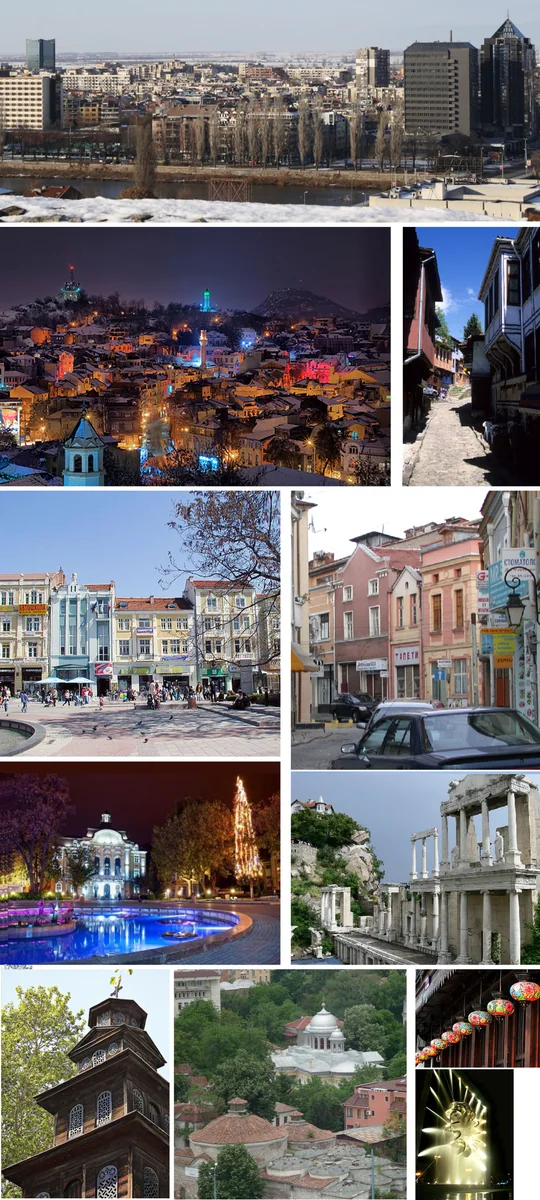
Plovdiv's old town, spread across three of the city's seven hills, is among the best-preserved National Revival and Roman-era urban centers in the Balkans. The 19th-century mansions of the Bulgarian National Revival period — their upper floors cantilevering dramatically over cobbled lanes, each facade painted in a different color — were built by wealthy Bulgarian merchants and are now the city's most characteristic architectural feature. Below them, the Roman amphitheatre is still used as a performance venue, with the old town as its backdrop.

Arts and Culture

Plovdiv was the European Capital of Culture in 2019, and the attention and investment that brought has had a lasting effect on the city's cultural infrastructure. The Kapana creative district, a formerly neglected area of small workshops now occupied by galleries, design studios, and independent restaurants, became the focus of the capital of culture year and continues to develop. The city has a year-round program of festivals covering music, visual art, and performing arts that reflects both the legacy of 2019 and a genuine local appetite for cultural activity.

Food and Wine

Plovdiv sits in the Thracian Plain, one of Bulgaria's most productive agricultural regions, and the food culture reflects the quality of the surrounding land. The city's restaurants use good local produce — tomatoes, peppers, aubergines, and the sheep's milk cheese that is a constant of Bulgarian cooking — and the Thracian wine-producing regions of the Rhodope foothills are within easy reach. Dinner in one of the old town's courtyard restaurants, eating Bulgarian food in a National Revival house, is one of the more satisfying experiences the Balkans offer.

Roman Heritage

Plovdiv, known to the Romans as Philippopolis, was one of the largest cities in the Roman province of Thrace, and the physical remains of that era are woven into the modern city. The large Roman amphitheatre, the smaller odeion near the main pedestrian street, the forum remains visible through glass in the basement of the central post office, and the Nebet Tepe hill sanctuary together constitute one of the most complete sets of Roman urban remains in the Balkans. Most are accessible without charge and without crowds.

The Old Town, the Roman Theatre and Plovdiv's Archaeological Layers

Plovdiv is one of the oldest continuously inhabited cities in Europe, with evidence of settlement dating to 6000 BC, and its stratified history is visible in the physical fabric of the city in ways that few other urban centers can match. The Old Town (Stariat Grad) on three of the city's original seven hills contains the most complete surviving collection of Bulgarian National Revival architecture from the 18th and 19th centuries, with over 150 listed buildings of elaborately decorated merchant houses whose cantilevered upper floors overhang the cobbled lanes in a distinctive vernacular developed during the period of Bulgarian cultural renaissance under Ottoman rule. The Roman Theatre, a 2nd-century AD stadium for 7,000 spectators discovered during road construction in 1972 and now fully excavated, is the best-preserved Roman theatre in Bulgaria and is still used for concerts and performances in summer, creating one of the most dramatic performance settings in the Balkans. The Roman Stadium in the city center, partially visible beneath the pedestrian zone in a deliberate archaeological reveal, gives the street-level experience of Plovdiv a depth unavailable in most European city centers.

European Capital of Culture, the Arts Scene and Contemporary Plovdiv

Plovdiv's designation as European Capital of Culture for 2019, shared with Matera in Italy, produced the most intensive cultural investment in the city's recent history and accelerated changes in the Kapana (The Trap) arts district that had been developing since the early 2010s. Kapana, a maze of narrow streets in the old artisans' quarter between the Old Town and the city center, has been transformed from a derelict commercial district into the most concentrated area of galleries, craft studios, bars, and independent restaurants in Bulgaria, with a character driven by local creative practitioners rather than external investment. The Plovdiv Regional Museum of History holds the Panagyurishte Gold Treasure, a 4th-century BC Thracian gold service of nine vessels that is among the most spectacular surviving examples of ancient goldsmithing in Europe and the centerpiece of the national collection of Thracian material culture. The International Fair Plovdiv, established in 1892 and one of the oldest trade fairs in the Balkans, operates from a permanent exhibition ground that hosts multiple specialist fairs throughout the year and reflects Plovdiv's historic role as the commercial capital of southern Bulgaria and a trading hub on the route between Istanbul and central Europe. The Ethnographic Museum in the Old Town, housed in the Kuyumdzhioglu House — one of the finest examples of Bulgarian National Revival architecture, built in 1847 with a facade of asymmetric bays and elaborate plasterwork — presents the material culture of 19th-century Bulgarian provincial life in a setting whose building is itself the primary exhibit. The International Fair Plovdiv, with its Spring and Autumn technical trade fairs drawing exhibitors from across Europe and the Near East, has given the city a commercial profile in industrial goods and technology that complements its heritage and cultural identity. The Plovdiv Philharmonic Orchestra performs at the Plovdiv Concert Hall, and the city's festival calendar — including the Plovdiv Opera Summer performances in the Roman Theatre, where the combination of the venue and the production creates an experience available nowhere else in Bulgaria — makes it the most active provincial cultural program in the country. The Maritsa river park on the northern bank provides cycling and walking infrastructure along the river that connects the old town with the newer residential districts.

More Cities in Bulgaria
Ready to find events in Plovdiv?

Browse concerts, club nights, festivals, cultural events, and more. Book directly with the organizer.

Running an event in Plovdiv? Create a free listing
Browse Events in Plovdiv