Things To Do in Sofia Bulgaria

Discover events, experiences, and everything the city has on offer in Sofia. Browse the full event calendar or read the guide below.

Things To Do in Sofia

Discover events, experiences, and everything the city has on offer in Sofia. Browse the full event calendar or read the guide below.

History and Archaeological Layers

Sofia has been continuously settled for more than 7,000 years, and the layers of that history are visible in the city center. The ruins of the ancient Roman city of Serdica — walls, gates, a basilica — are exposed beneath the streets and accessible from the metro station in the very center of the modern city. The 6th-century Rotunda of St George, built as a Roman bath and later converted to a church and then a mosque, stands in a courtyard between two modern hotels and still functions as a place of worship.

Nightlife and the Arts Scene

Sofia has a nightlife and arts scene that punches well above Bulgaria's economic weight. The city's clubs, particularly in the area around the NDK cultural center and the converted industrial spaces of the Studentski Grad district, have built a reputation for electronic music that draws visitors specifically for the purpose. The arts scene is fed by a large student population and a tradition of state-funded cultural institutions — the National Opera, the Ivan Vazov National Theatre, and the National Gallery all maintain serious programs throughout the year.

Food and Affordability

Sofia is one of the most affordable European capitals for eating and drinking, and the quality of what is available at those prices is considerably higher than visitors typically expect. Bulgarian cuisine uses good dairy — the yoghurt is genuine and abundant — alongside grilled meats, vegetable-based meze, and the banitsa pastry that is consumed at breakfast from bakeries across the city. The central market hall and the small restaurants of the Lozenets and Student Town areas offer an honest introduction to what Bulgarians actually eat.

Mountain Access

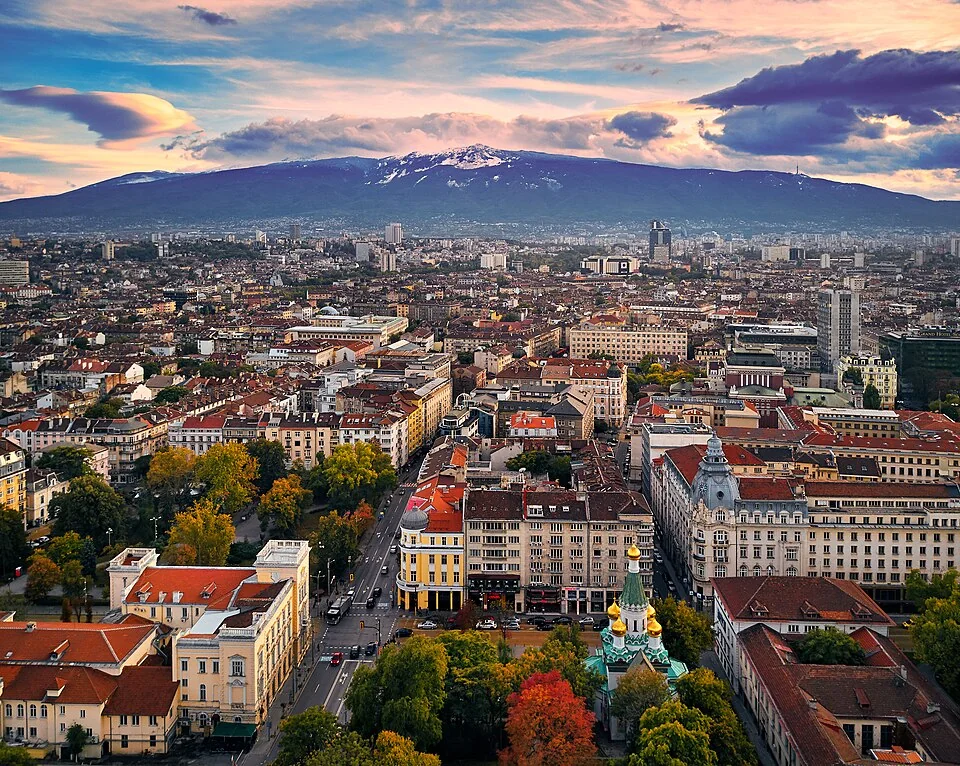
Vitosha Mountain rises directly above Sofia's southern suburbs, and its forested slopes and rocky peaks are reachable by public transport in under an hour. In winter it serves as a ski and snowboard resort; in summer it is used for hiking, mountain biking, and simply escaping the city heat. The view of Sofia from Vitosha's higher ridges — the city spread below across a wide plain, mountains on all horizons — is one of the most unexpected pleasures available to anyone spending time in the Bulgarian capital.

Vitosha Mountain, the City Parks and Sofia's Outdoor Life

Vitosha Mountain rises directly behind Sofia to 2,290 metres and is accessible from the city center in under an hour by metro and cable car, providing hiking, skiing, and year-round outdoor recreation that few European capitals can match for proximity and scale. The Boyana Church at the foot of Vitosha, a UNESCO World Heritage Site, contains frescoes from 1259 that are among the finest surviving examples of medieval Bulgarian painting and anticipate the realism of the Italian Renaissance by nearly a century, in a setting so small and intimate that the experience of standing before them is unlike any other in Bulgarian heritage. The Vitosha Natural Park, which begins at the edge of the residential suburbs and covers over 22,000 hectares, provides ski runs at the Aleko resort in winter and an extensive trail network in summer through subalpine meadows and the Zlatni Mostove stone river — a natural geological formation of large boulders deposited by a glacier that is one of the most distinctive natural features accessible from any European capital. The South Park and Boris Garden within the city itself provide green space at a scale that reflects Sofia's position as one of the greenest capital cities in southern Europe by park coverage per resident.

Orthodox Churches, Soviet Heritage and Sofia's Layered History

Sofia's religious architecture reflects its layered history of Byzantine, Ottoman, and Bulgarian national periods with unusual directness. The Alexander Nevsky Cathedral, completed in 1912 and seating up to 5,000 worshippers, is the largest Orthodox cathedral in the Balkans and the defining landmark of central Sofia. The Sveta Sofia Church, from which the city takes its name, dates to the 6th century and sits in a position beside the cathedral that illustrates the continuity of the sacred site across fifteen centuries. The rotunda of Sveti Georgi, a 4th-century Roman brick rotunda in the courtyard of the Presidency, is the oldest building in Sofia and contains Byzantine frescoes from multiple periods visible in archaeological layers on the interior walls. The National Palace of Culture, the largest multifunctional congress and exhibition center in the Balkans and a product of the late communist period completed in 1981, anchors the southern end of the city center in a building whose scale and brutalist ambition make it one of the most significant examples of late Soviet civic architecture still in active daily use. The Women's Market (Zhenski Pazar) in the Serdika district operates daily and is the most democratic food market in Sofia, supplying the city's households with produce, spices, and street food at prices that reflect the purchasing power of the city's residents rather than its tourists. The Ivan Vazov National Theatre, the oldest and most prestigious theatre in Bulgaria and a neo-baroque building completed in 1907 in the heart of the city garden, anchors the theatrical life of the capital in a program that includes Bulgarian classical drama alongside international works. The Sofia Philharmonic Orchestra performs at the Bulgaria Concert Hall, and the annual Sofia International Film Festival in March is the largest film festival in the Balkans, drawing entries and audiences that reflect the city's position as the cultural capital of southeastern Europe. The free walking tours of Sofia, one of the most comprehensive in central Europe, depart daily from in front of the Palace of Justice and cover the city's stratified history from Roman Serdica through Ottoman and communist periods to the present.

More Cities in Bulgaria
Ready to find events in Sofia?

Browse concerts, club nights, festivals, cultural events, and more. Book directly with the organizer.

Running an event in Sofia? Create a free listing
Browse Events in Sofia