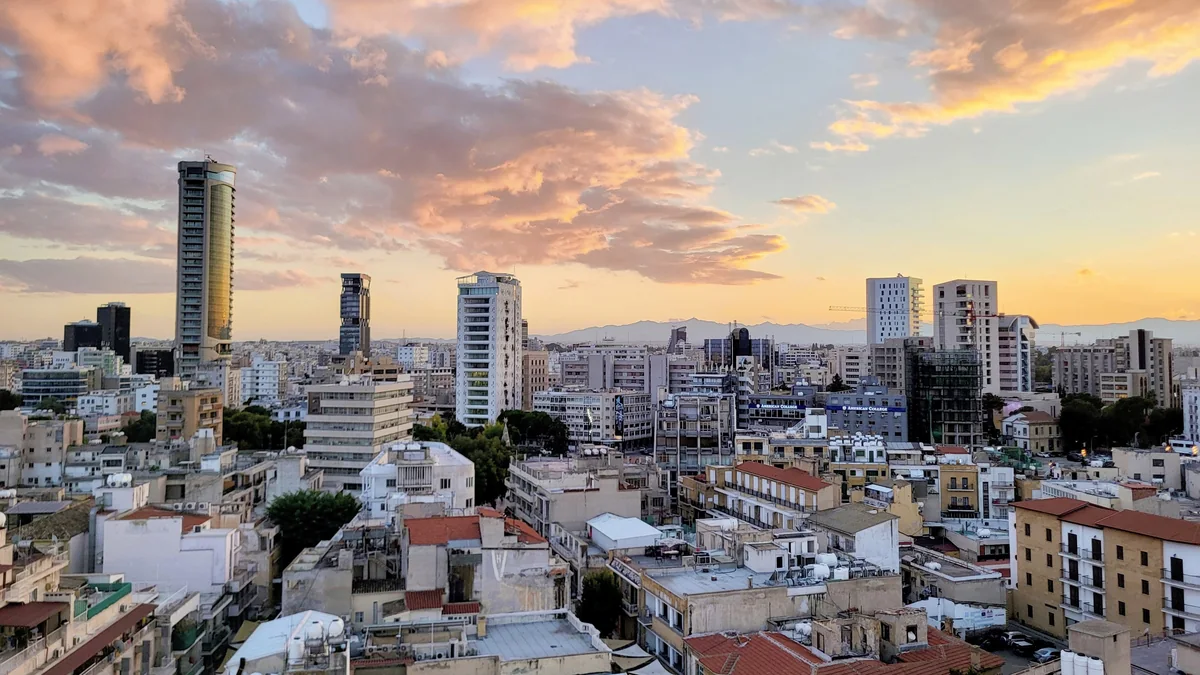
The Divided City, the Buffer Zone and Cyprus's Living History
Nicosia is the last divided capital city in the world, separated since 1974 by the United Nations Buffer Zone - known locally as the Green Line - that runs through the heart of the old city. The crossing points at Ledra Street and the Ledra Palace Hotel allow visitors to pass between the southern, Greek Cypriot controlled city and the northern, Turkish Cypriot administered part in what remains one of the most striking urban border experiences in Europe. The old town within the Venetian walls, built by the Venetians between 1567 and 1570 in a distinctive eleven-pointed star pattern that remains almost entirely intact, contains the Cyprus Museum, the national archaeological collection and the most comprehensive repository of Cypriot antiquities from the Neolithic through the Roman period. The Leventis Municipal Museum documents the history of Nicosia from antiquity to the present in a well-designed collection housed in a restored 19th-century building in the old town. The Chrysaliniotissa Crafts Center, in the oldest surviving neighbourhood of the walled city, houses workshops of traditional crafts including weaving, silverwork, and pottery in a quarter that has been steadily revived after decades of decline near the buffer zone. The Nicosia Municipal Arts Center (NiMAC), in the former power station, programs contemporary art and performance in a building whose conversion has become a model for the regeneration of the buffer zone periphery. The Faneromeni Church and the surrounding quarter of the old town, with its restored Ottoman-era buildings, workshops, and the weekly street market, give the southern part of the walled city a neighbourhood texture that survives the tourist pressure of the central streets. The Cyprus Contemporary Art Museum and the Nicosia Municipal Gallery program contemporary Cypriot and international art in a city where the cultural scene operates with a vitality that the political situation tends to obscure in international coverage. The traditional Cypriot lace-making tradition of lefkaritika, a UNESCO Intangible Cultural Heritage, is demonstrated and sold in workshops around the old town, alongside silver filigree jewellery and ceramic traditions that trace continuous production in Cyprus back over three millennia. The proximity of Nicosia to the coastal resorts and ancient sites of both the south and north of the island makes it an efficient base for exploring Cyprus more broadly. The Nicosia Arts Festival each June programs outdoor performances, concerts, and theatre in the moat of the Venetian walls, using the city's fortifications as a performance venue in a way that brings the old town's heritage into active civic use and draws audiences from across the island.