Music, Culture and City Life
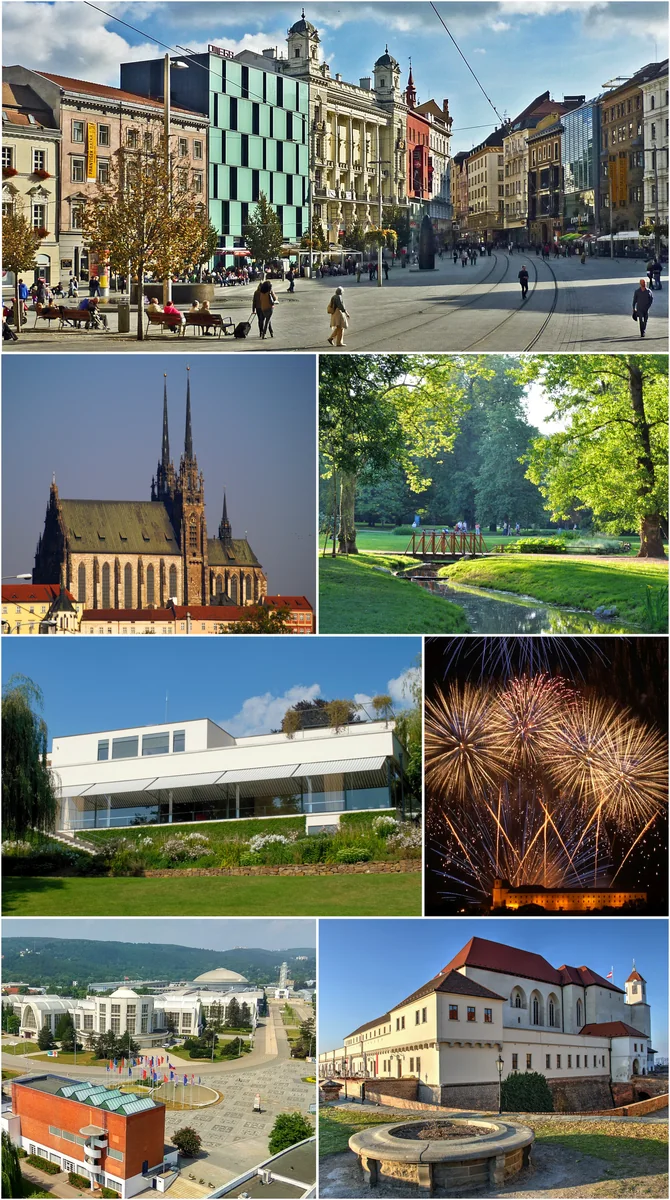
Brno sustains a cultural life that consistently exceeds what a city of its size might be expected to support, partly through the resources of its universities and partly through a civic investment in the arts that reflects Moravia's historical position as a culturally ambitious region. The Janáček Opera at the National Theatre Brno is one of the most active opera companies in the Czech Republic, with a repertoire that gives particular emphasis to the work of Leoš Janáček, the Moravian composer whose operas are among the most important in the 20th-century repertoire and whose music is most comprehensively represented in the city where he lived and worked. The Philharmonic Orchestra Brno performs at the Besední dům, a neo-Renaissance concert hall completed in 1873 that is itself a significant piece of civic architecture. The Brno Underground, a network of medieval cellars and passages beneath the city center, offers a distinctive form of heritage tourism in a city that has been occupied continuously for over a thousand years. The Špilberk Castle's conversion into the city museum, combined with its outdoor events program including summer concerts in the castle courtyard, demonstrates Brno's approach to heritage: functional and engaged rather than merely preserved. The Night of Open Cellars in September opens wine cellars, galleries, and spaces across the city for a single evening of cultural exploration that has become one of the most popular events in the civic calendar. The Šlapanice area east of the city, where the Battle of Austerlitz was fought in 1805, is one of the most significant Napoleonic battlefield sites in Europe and draws visitors with a serious interest in early 19th-century European history to a landscape that has changed relatively little in the intervening two centuries. The Moravian Karst north of Brno, accessible by bus or bicycle, contains the Macocha Gorge and the Punkva Caves - a boat tour through underground rivers and caverns whose scale and beauty make them among the most impressive natural geological formations in Central Europe and an entirely different experience from the city's urban heritage.