The Daugavpils Fortress, Military Heritage and the City's Imperial Past
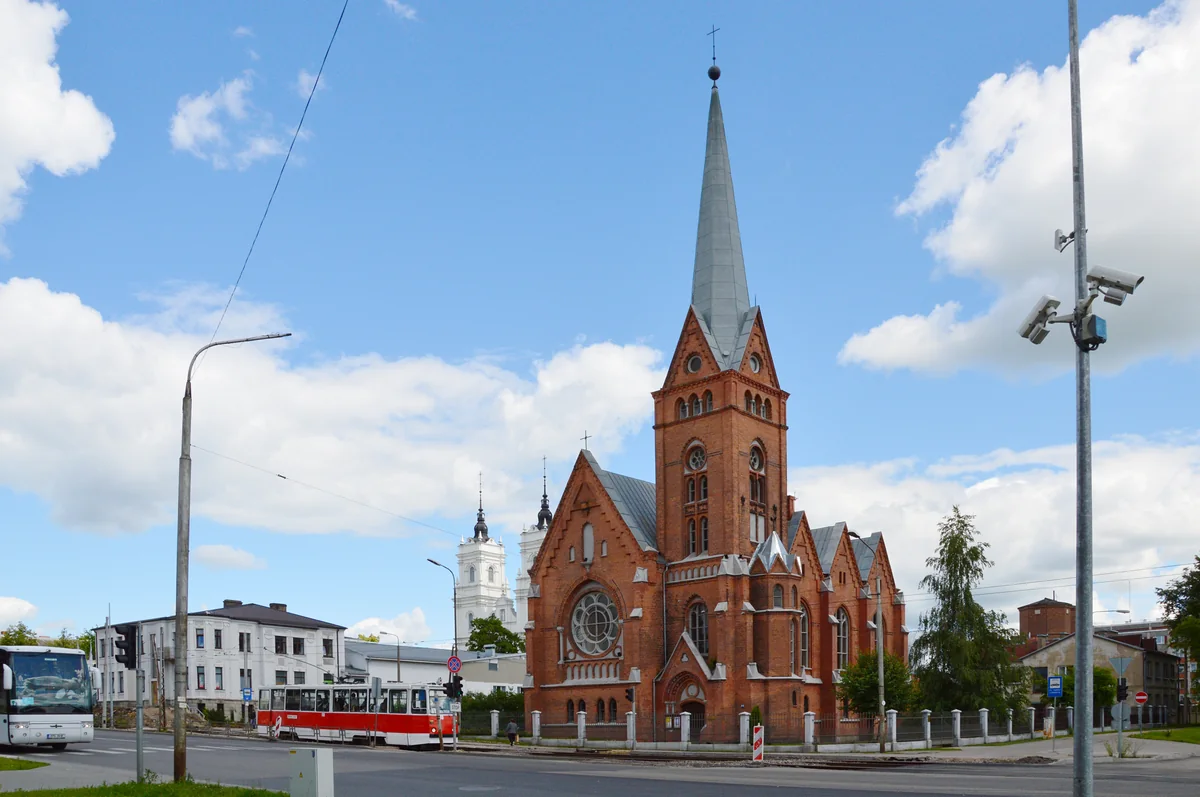
Daugavpils, Latvia's second city and the largest Russian-speaking city in the European Union by proportion of residents, sits at the point where the Daugava river crosses the historic border between the Russian and Polish-Lithuanian cultural zones. The Daugavpils Fortress, built by the Russian Empire from 1810 onwards on the site of an earlier Swedish fort, is one of the largest and best-preserved early 19th-century military fortifications in Europe and the only fortress of this type in Latvia still occupied and in use. The fortress complex, covering 72 hectares of bastions, moats, and brick barracks buildings, houses a community of residents, a prison, a hotel, and the Daugavpils Mark Rothko Art Center within its walls. The fortress church of St Peter and Paul, an 1815 brick basilica in the Empire style, and the synagogue restored within the fortress perimeter document the multiconfessional character of a garrison town where Russian Orthodox, Roman Catholic, Lutheran, and Jewish communities coexisted under the administrative umbrella of the Tsarist military establishment. The city's 19th-century streetscape, with its grid of brick apartment blocks and merchant houses, preserves the urban form of a provincial Russian imperial town with unusual completeness.