Things To Do in Riga Latvia

Discover events, experiences, and everything the city has on offer in Riga. Browse the full event calendar or read the guide below.

Things To Do in Riga

Discover events, experiences, and everything the city has on offer in Riga. Browse the full event calendar or read the guide below.

Art Nouveau Architecture

Riga contains the largest collection of Art Nouveau buildings in the world — more than 800 in the city center, built in an intense period between approximately 1896 and 1913 when the city was one of the most prosperous in the Russian Empire. The facades of the Alberta and Elizabetes streets are the most photographed, their surfaces covered in carved figures, mythological faces, and ornamental programs of extraordinary ambition. The Art Nouveau Museum in the Alberta Street district occupies a restored apartment that gives the best sense of how these buildings looked and functioned when they were new.

Old Town and History

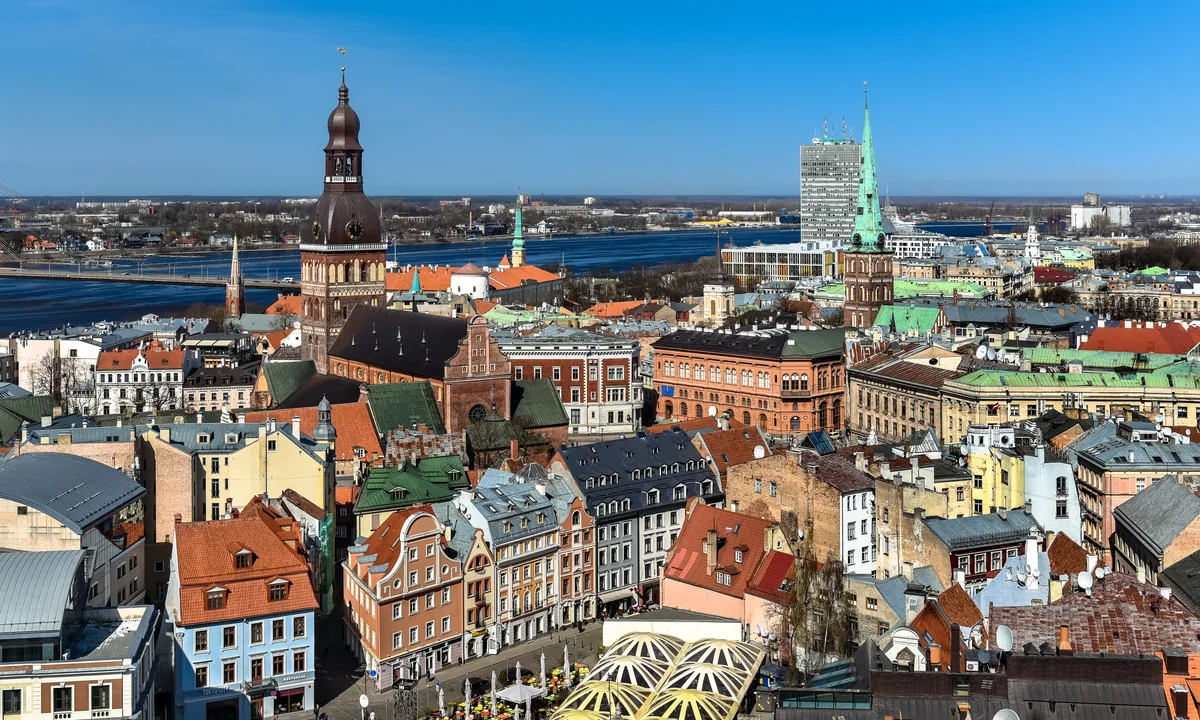
Riga's medieval old town — the Vecrīga — is a UNESCO World Heritage Site with a particularly good collection of Hanseatic merchant architecture, Gothic churches, and the administrative buildings of successive German, Swedish, and Russian rulers. The Blackheads' House, rebuilt after wartime destruction, gives the main square a focal point worthy of the city's Hanseatic ambitions. The city has had a complicated history — Latvian independence has been interrupted twice in the 20th century — and the Museum of the Occupation of Latvia tells that story with a directness and emotional honesty that makes it essential.

Food Markets and Local Cuisine

The Riga Central Market, housed in five former Zeppelin hangars repurposed after the First World War, is one of the largest and most important markets in Europe. The scale of the buildings gives it an architecture unlike any other market on the continent, and the range of produce — smoked fish, dairy, meat, vegetables, bread, and a full representation of Baltic and eastern European food culture — is matched by almost nothing. Latvian food is built on rye bread, smoked and pickled fish, grey peas with bacon, and dairy products of genuine quality.

Nightlife and the Arts

Riga has a lively nightlife and arts scene that benefits from the city's size — large enough to sustain varied programming, compact enough to navigate easily. The clubs in the Miera Street and Spīķeri districts run electronic music nights with a consistent quality that has made the city a recognised destination on the European circuit. The National Opera and the Latvian National Theatre maintain year-round programs, and the New Riga Theatre has developed an international reputation for its approach to contemporary drama.

Art Nouveau Architecture and the Latvian National Awakening

Riga contains the largest concentration of Art Nouveau architecture in the world, with over 750 buildings in the Quiet Center district displaying the full range of the style from the florid Jugendstil of the early 1900s to the stripped National Romantic variant that incorporated Latvian folk motifs into its decorative program. The buildings on Alberta Street, designed principally by Mikhail Eisenstein — father of the film director Sergei Eisenstein — represent the most concentrated single collection of the style anywhere in Europe, with facades featuring screaming mask figures, sphinxes, and elaborate floral compositions that demonstrate the full expressive ambition of the movement. The Riga Art Nouveau Museum on Alberta Street, housed in a restored apartment with period interiors, provides the most accessible introduction to both the architecture and the domestic life of the Riga bourgeoisie at the turn of the 20th century. The National Awakening of the late 19th century, which established Latvian as a literary and cultural language and created the intellectual foundations for independence in 1918, is documented in the Latvian National Museum of History and reflected in the Song and Dance Celebration, a mass choral festival held every five years that was used during the Soviet occupation as a vehicle for national cultural expression and is now a UNESCO Intangible Cultural Heritage event.

The Central Market, the Daugava River and Riga's Neighbourhood Life

The Riga Central Market, housed in five former Zeppelin hangars repurposed in 1930 and now a UNESCO World Heritage Site, is the largest market in the Baltic states and one of the most architecturally distinctive market buildings in Europe. Each pavilion is dedicated to a specific category — meat, fish, dairy, vegetables, and dry goods — and together they constitute the central food supply institution for the city and a social gathering place whose function has remained continuous for nearly a century. The Spīķeri quarter beside the market, a complex of 19th-century red-brick warehouses converted into restaurants, bars, and event venues, has become the most active creative district in central Riga and reflects the city's approach to industrial heritage as a resource for cultural regeneration. The Āgenskalns neighbourhood across the Daugava, accessible by tram and by the pedestrian Vanšu Bridge, preserves a 19th-century wooden architecture vernacular of carved timber houses and courtyard gardens that the city center has largely lost. The Latvian Ethnographic Open-Air Museum on the eastern shore of Lake Jugla, the largest open-air museum in the Baltic states, presents over 100 historic farmsteads, fishing villages, and craft workshops relocated from across Latvia in a forest setting that makes the three-hour visit one of the most immersive rural heritage experiences available in the region.

More Cities in Latvia
Ready to find events in Riga?

Browse concerts, club nights, festivals, cultural events, and more. Book directly with the organizer.

Running an event in Riga? Create a free listing
Browse Events in Riga